News Articles
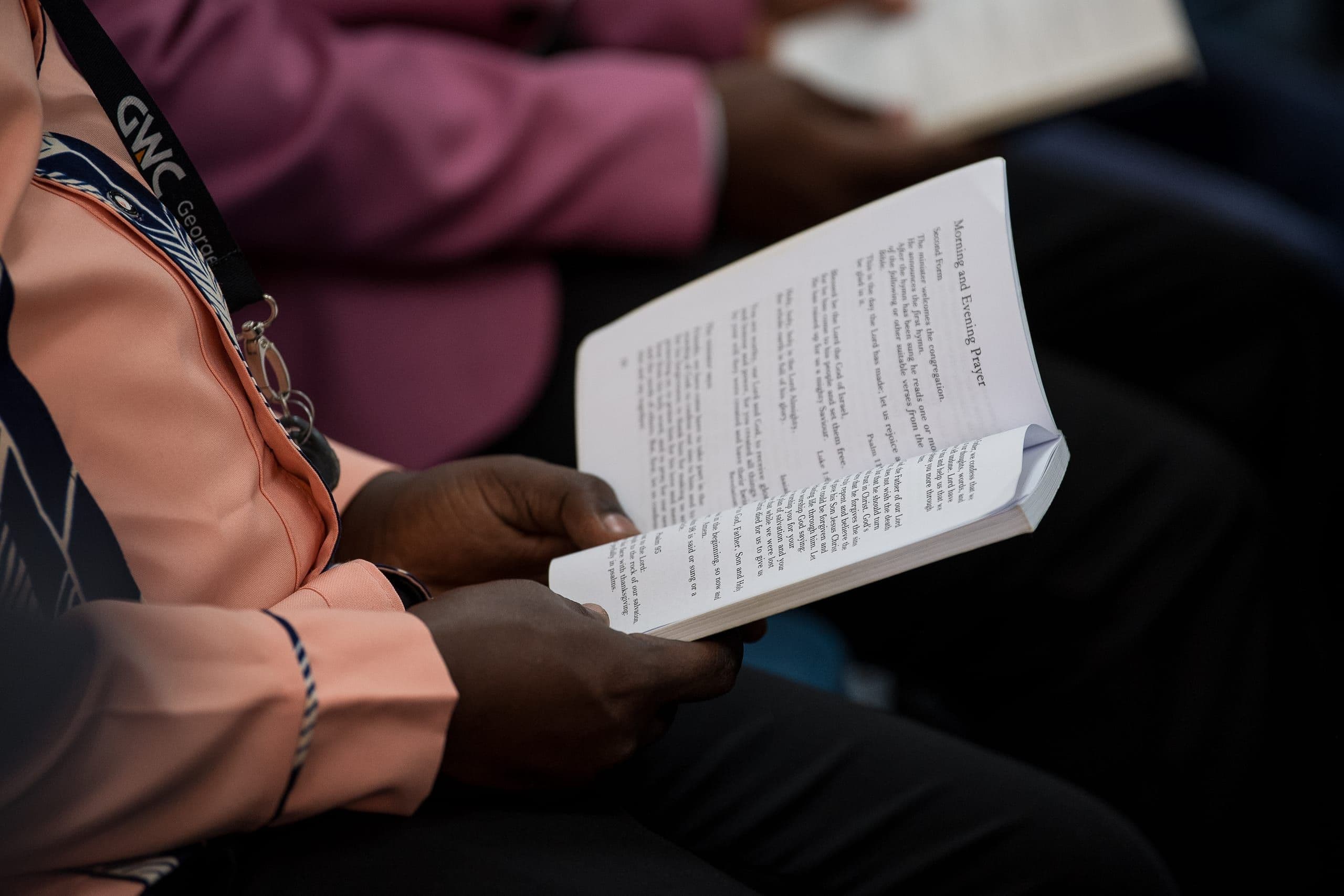
The Formative Power of Worship
Our new Monday chapel services help students experience the formative value of a set liturgy, preserving and drawing upo...
Read Article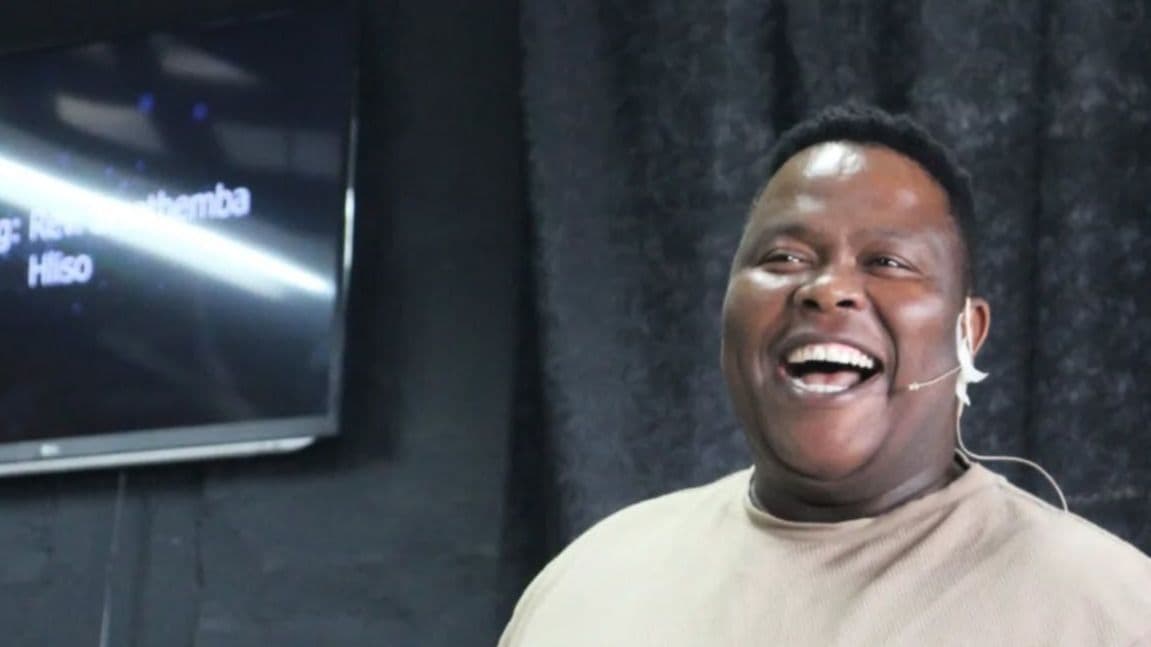
Building a Church though Digital Fellowship
GWC alumnus Sinethemba Hliso is the Senior Pastor at Khanya City Church, Johannesburg. Planted out of Hope Church Auckla...
Read Article
The God of AI
We were delighted to welcome theologian, researcher and Mesa scholar Dr Anthony Buck to GWC recently… He spoke to us abo...
Read Article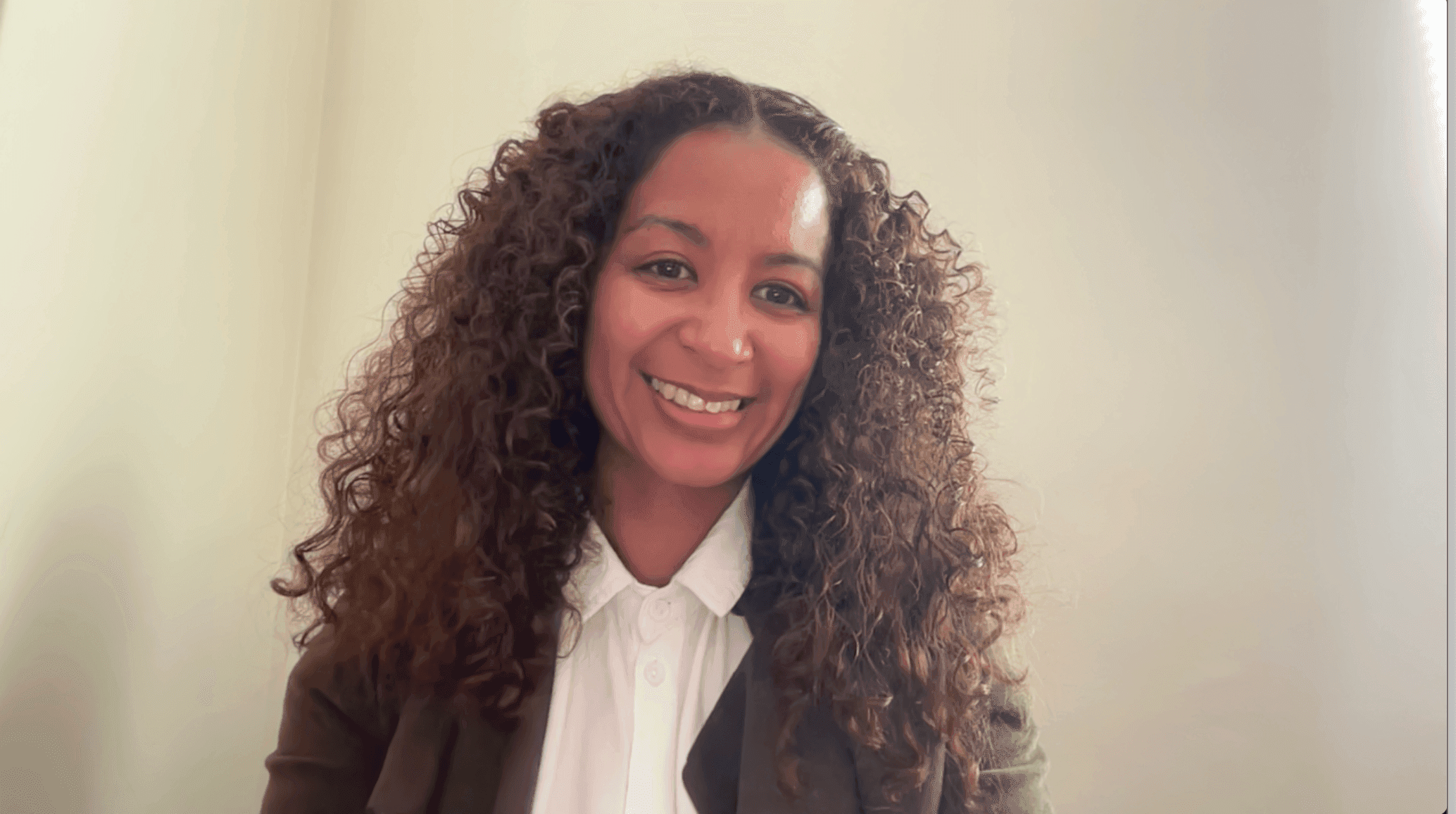
Advancing the College through Marketing
In February, Julia Benjamin was appointed as GWC’s Advancement Officer: Marketing. She shares some thoughts on how this...
Read Article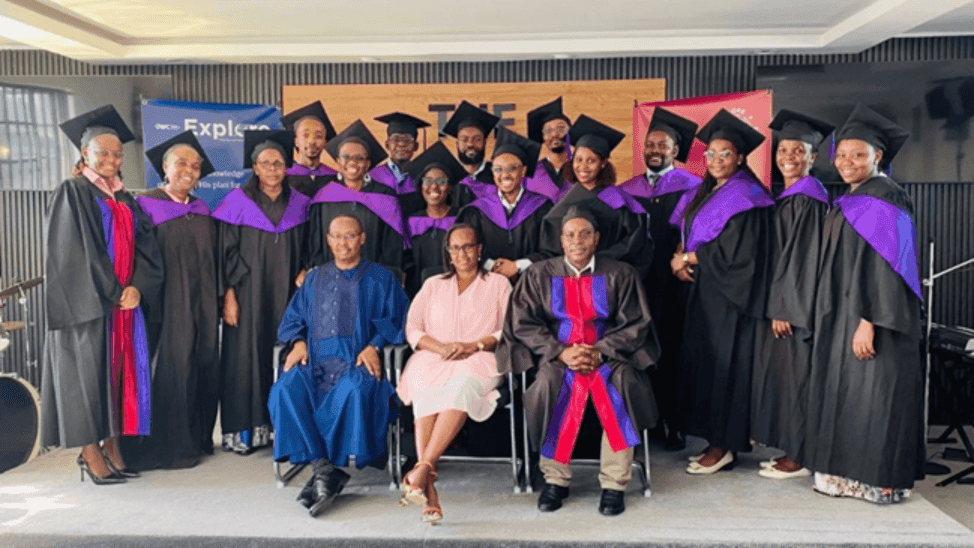
Explore’s Eastern Hub Celebrates First 2026 Graduation
Explore graduations are significant moments in the life of the programme. They provide an opportunity to celebrate the g...
Read Article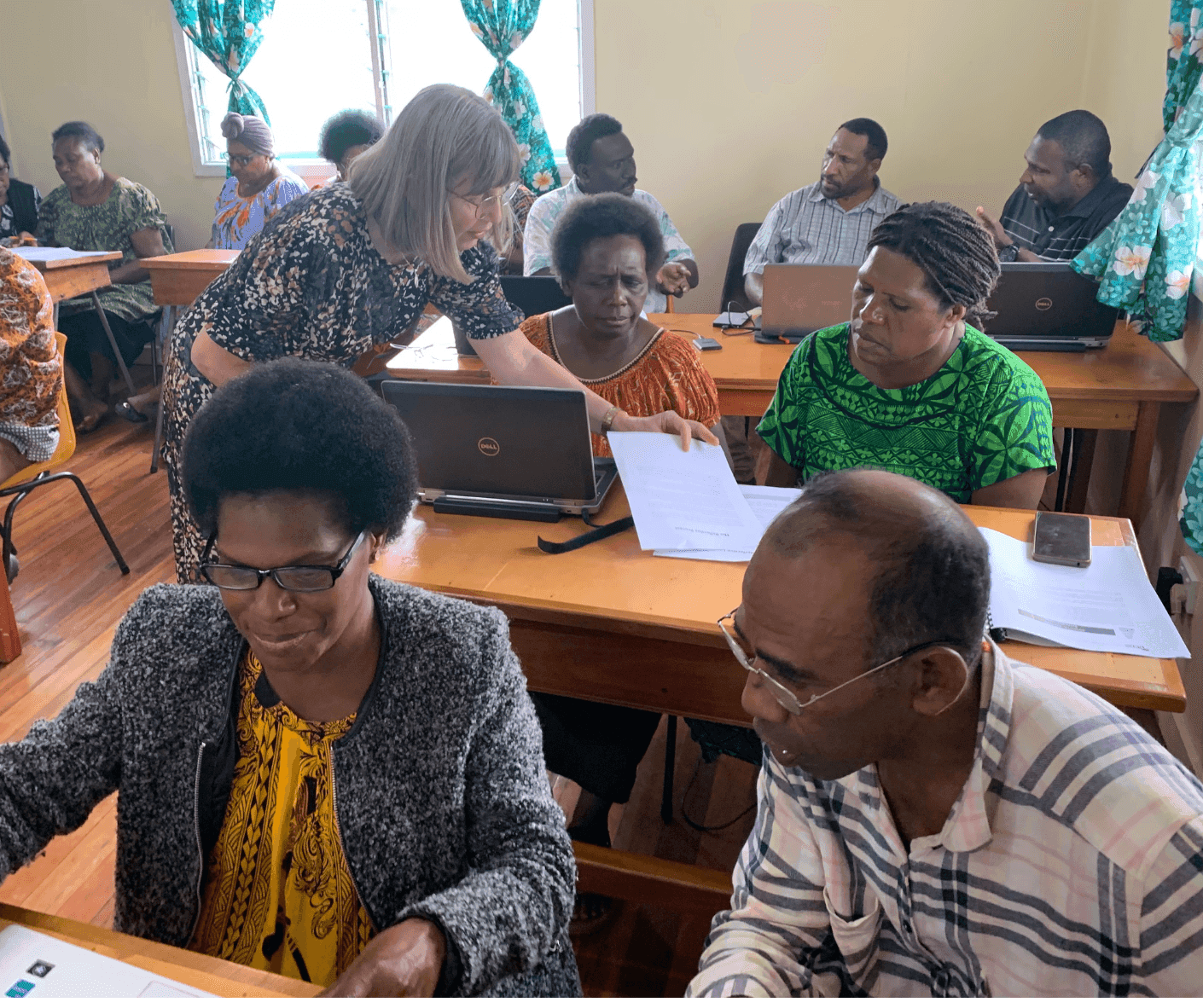
Deepen, Develop, Deploy: The PGDipHTE Journey
GWC’s Postgraduate Diploma in Higher Theological Education (PGDipHTE), officially launched in January 2026, is an online...
Read Article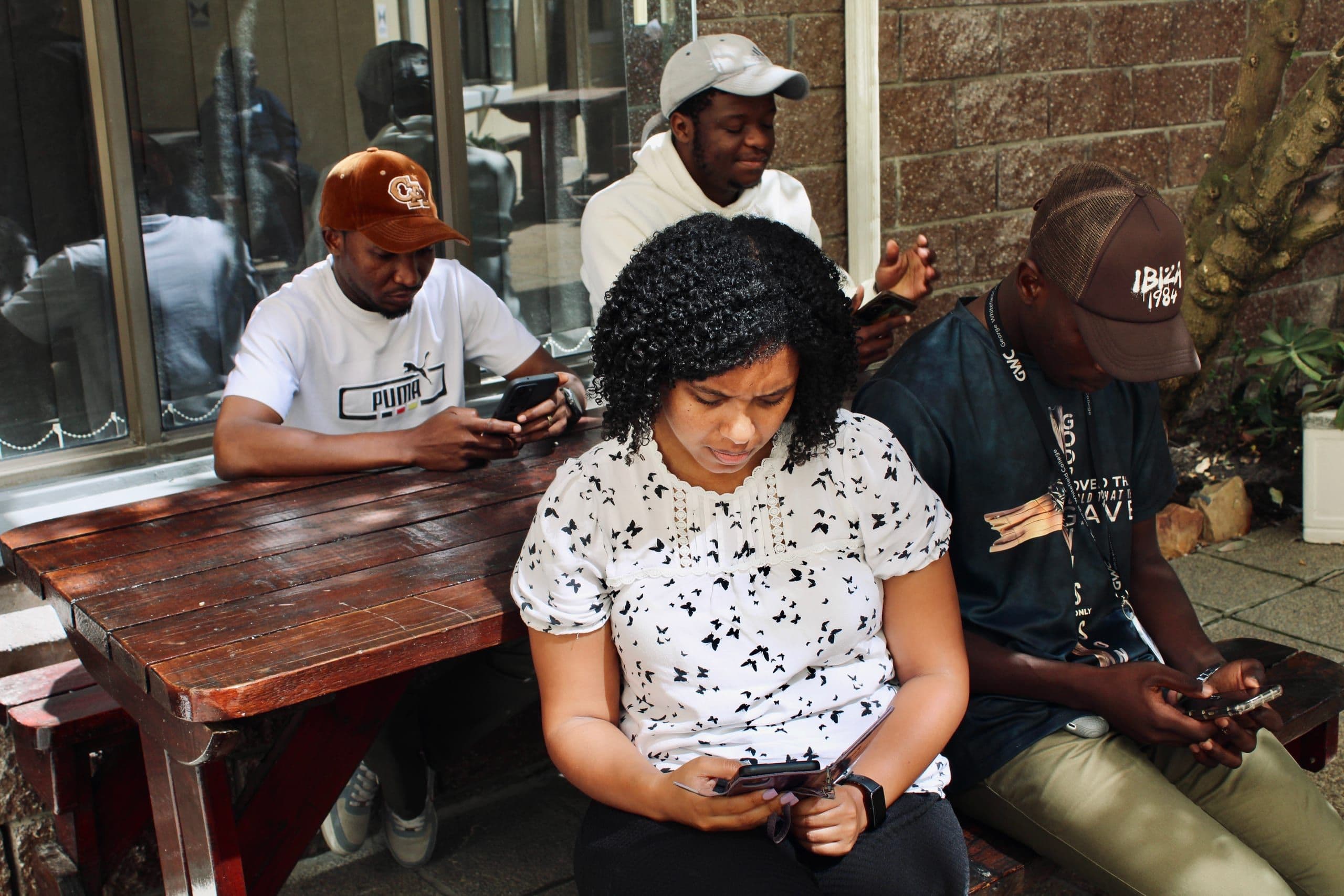
Screen-free GWC?
At the beginning of the year, Vice-Principal Academic and Academic Dean Dr Jonathan More announced the banning of screen...
Read Article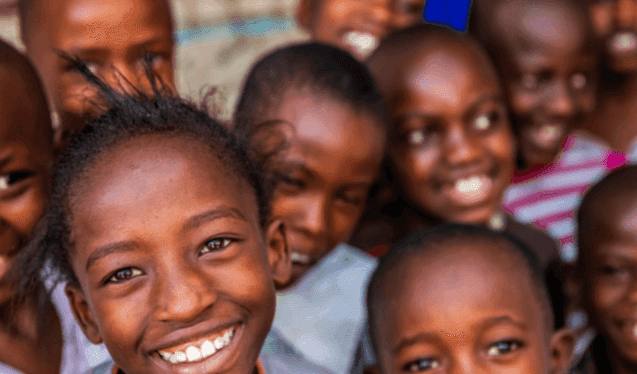
Growing Africa's Kids for the Lord
Jo Taylor is a GWC alumnus from the College’s earliest days. In her time here, she says the “ministry bug bit” and what...
Read Article
Ministry in Conflict Zones
We spoke to Jok Luk and Seme Ludanga, South Sudanese students at GWC, whose theological studies are preparing them to re...
Read Article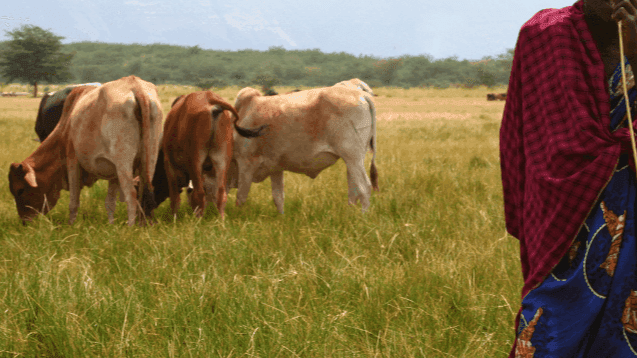
Lobola in 2025: A Stumbling Block to Marriage
BTh2 student Siphamandla Sithole reflects on the contemporary practice of lobola and the financial burden it brings, whi...
Read Article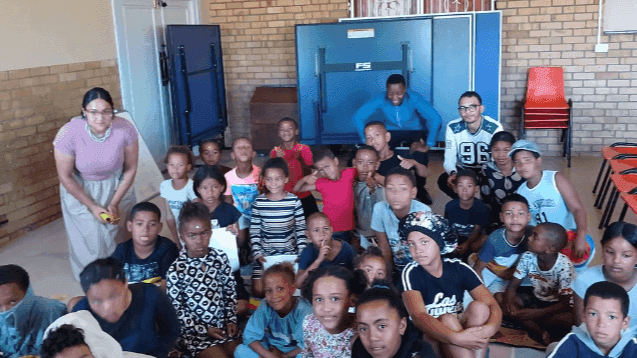
Sharing Hope in Lavender Hill
A few years ago, Marcello Brown found himself in a hospital bed, with all his vitals dropping, and a great sense of fear...
Read Article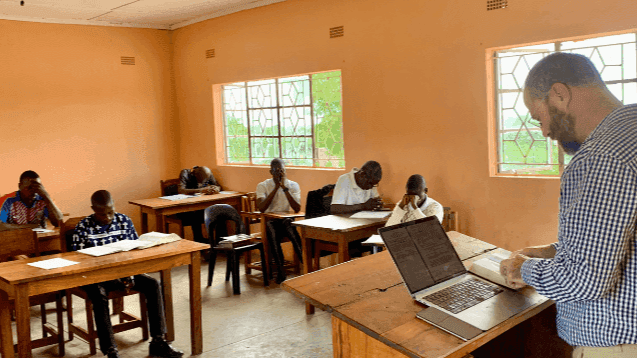
Bible-Based Teaching in the Barotseland Floodplains
Michael Watson graduated from GWC in 2019 with a BTh and he and his wife Renée have been SIM missionaries in Zambia for...
Read Article